What water heater replacement actually involves
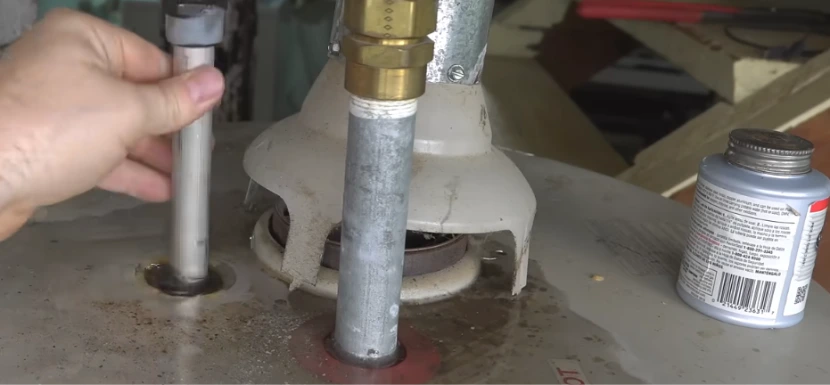
Water heater replacement is the full removal of an existing unit and the installation of a new one in its place. It's not simply swapping one tank for another — a proper replacement involves confirming the new unit is correctly sized for your household's demand, verifying that venting (gas units) or electrical supply (electric units) meets current code requirements, pulling the required permit, and disposing of the old appliance in compliance with Philadelphia regulations.
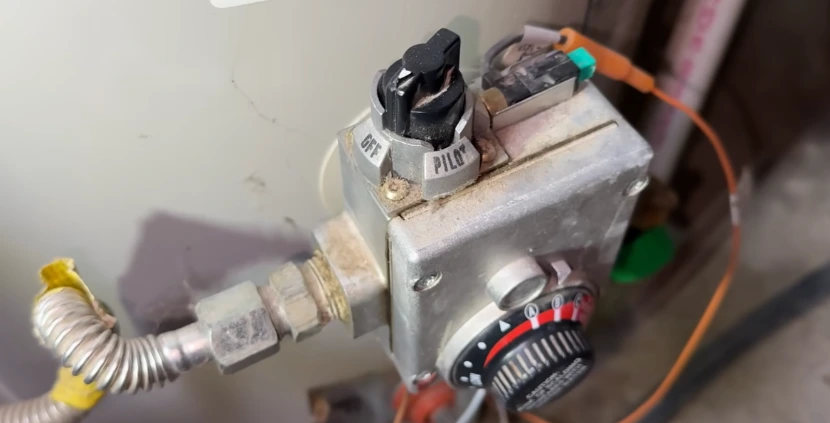
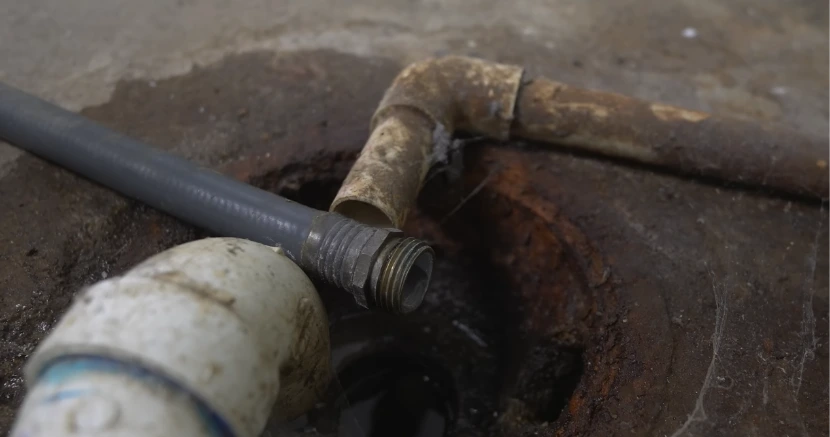
In Philadelphia's older housing stock, replacement jobs frequently reveal conditions that weren't visible before: corroded gas flex connectors that should be replaced at the same time, undersized flue pipes that require upgrading for modern units, or expansion tanks that weren't installed on closed plumbing systems and are now code-required. A technician handling a replacement in a Fishtown row home or a Northeast Philadelphia twin is doing meaningfully more than a delivery and hookup.
When the job is done right, you're not just getting hot water back — you're getting a unit that operates safely, efficiently, and in compliance with Philadelphia's plumbing code, with a manufacturer warranty in effect. That's the difference between a proper replacement and simply putting a new tank where the old one was.
How to decide: repair or replace?
This is the most important question in any water heater service call, and it deserves a clear framework rather than a vague "it depends." The decision turns on three factors: the age of the unit, the nature of the failure, and the cost comparison between repair and replacement over a reasonable time horizon.
Age is the starting point. A conventional storage tank water heater has a typical useful life of 10–15 years, depending on water quality, maintenance history, and brand. In Philadelphia, where moderate water hardness accelerates internal wear in units that haven't had regular annual maintenance, many units reach the decision point closer to year 10–12. Once a unit is past 12 years, the calculus shifts toward replacement for anything more than a simple, low-cost component fix.
The nature of the failure matters. Some failures are genuinely component-level and have no bearing on the rest of the unit's condition: a thermocouple, a heating element, a thermostat, or a pressure relief valve can all be replaced on an otherwise sound unit. Other failures indicate the tank itself is compromised — internal corrosion, a leaking tank body, or significant rust in the water supply. A compromised tank cannot be repaired; the only solution is replacement.
Do the economics honestly. If a repair costs a meaningful fraction of what a new unit would cost, and the existing unit is already in its later years, the repair may buy only 12–24 months before the next failure. A technician who gives you an honest assessment will factor this in and tell you plainly which direction makes more economic sense — not just which one fills a service call today.
A leak from the tank base or sides indicates internal failure. This cannot be repaired. The question is only which replacement unit makes the most sense for your home and household.
Consistent rust-colored or metallic-smelling hot water (not cold) indicates the tank interior has corroded past the point of no return. The anode rod has depleted and internal corrosion is advanced.
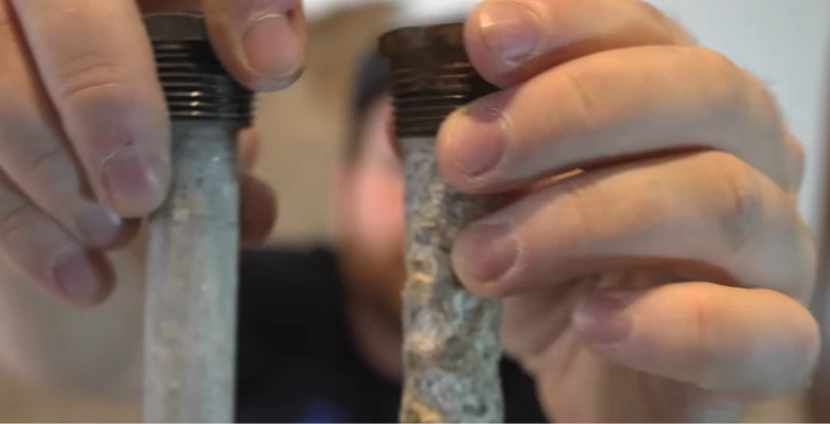
A unit at or past 15 years is beyond its expected lifespan. Repairing it prolongs the inevitable and delays the investment in a unit with a full warranty and better efficiency.
Two or more service calls within a 24-month period on a unit over 10 years old usually signals that the unit's overall condition is declining. The repair costs may exceed the value being saved.
If the household has grown or hot water demand has increased, replacement is also an opportunity to right-size: move from a 40-gallon to a 50-gallon tank, or switch to on-demand tankless service.
A heat exchanger failure, gas valve replacement, or any repair that approaches half the cost of a new unit on a 10–12 year old tank is rarely the right economic choice.
Choosing the right replacement unit
Replacement is the natural point to evaluate whether a like-for-like swap is right, or whether a different type of unit would serve the household better. The two main options for Philadelphia homeowners are conventional storage tank units and tankless (on-demand) units.
Conventional Storage Tank
40–80 gallon capacity · Gas or electric
- Lower upfront replacement cost
- Direct swap — minimal infrastructure change
- Familiar technology, widely available parts
- Handles high simultaneous demand well
- Standby heat loss (energy used keeping water hot)
- Takes up more physical space in basement
- Hot water can run out under heavy use
Tankless (On-Demand)
Wall-mounted · Gas or electric · Continuous hot water
- No standby heat loss — heats only when needed
- Continuous hot water — never runs out
- Space-saving wall-mount footprint
- Longer lifespan than conventional tanks
- Higher upfront cost than a tank swap
- May require gas line or venting upgrades
- Needs annual descaling in Philly's water conditions
For most Philadelphia homeowners replacing a failed tank unit on a standard budget, a like-for-like conventional tank replacement is the straightforward choice. For those renovating, planning to stay in the property for a decade or more, or dealing with a basement that's tight on space, a tankless upgrade is worth evaluating during the replacement consultation. Our guide to tankless water heater service in Philadelphia covers what the on-demand option looks like in practice.
Sizing the right replacement unit
One of the most consequential decisions in a replacement job is unit size. An undersized tank means the household runs out of hot water during peak demand — showers, laundry, and dishwasher running simultaneously. An oversized tank costs more to operate than necessary, heating more water than the household uses.
For conventional tank units, the key metric is the first-hour rating (FHR) — how many gallons of hot water the unit can deliver in the first hour of use. This is more useful than raw tank capacity for matching the unit to household demand. A technician sizing a replacement for a Philadelphia row home occupied by four people will factor in the number of bathrooms, typical peak usage patterns, and whether any high-draw appliances share the hot water supply.
Access matters. Older Philadelphia basements — particularly those in Fishtown, South Philly, and Kensington — sometimes have narrow basement stairs or low ceilings that limit the size of unit that can be brought in. A technician familiar with city housing stock will measure the space before ordering a unit and confirm the new unit can be physically installed before the old one is removed.
The replacement process, step by step
A professional water heater replacement in Philadelphia follows a clear sequence. Knowing what to expect makes the experience less disruptive, particularly if it's happening on an unplanned basis following a tank failure.
Assessment and unit selection. Before any work begins, the technician confirms the replacement unit is appropriate: correct fuel type, correct first-hour rating for the household, compatible venting configuration, and physically capable of being moved through the access path into the installation space. If a like-for-like swap is straightforward, this step is brief. If the existing setup has issues — undersized gas supply, non-code-compliant venting, missing expansion tank — these are identified now, before the old unit is removed.
Permit. Philadelphia requires a plumbing permit for water heater replacements. The contractor pulls this permit before work begins, which protects you as the homeowner: permitted work is inspected, inspected work is documented, and documented installations maintain your home's compliance record. An inspection visit from the city follows after installation. This is standard procedure and is handled by the technician's business — it is not your responsibility to manage.
Disconnection and removal. The technician shuts off the gas or electrical supply, turns off the cold water inlet, and attaches a hose to the drain valve to empty the tank. Draining a 40–50 gallon tank typically takes 15–30 minutes depending on the drain flow rate. Once empty, the unit is disconnected from the gas or electrical supply and from the water lines, and is moved out of the installation space. The old unit is transported by the contractor for proper disposal per Philadelphia appliance disposal regulations.
New unit installation. The new unit is positioned, the water connections are made, and the gas line or electrical supply is reconnected. For gas units, the flue connection and draft hood are installed or upgraded as required. An expansion tank is installed if the home is on a closed plumbing system (now code-required in Philadelphia for new installations). All connections are tested — gas connections with leak detection solution, water connections under pressure — before the unit is lit or energized.
Testing and handoff. The technician verifies the unit lights and cycles correctly, confirms hot water reaches operating temperature at the taps, and checks the pressure relief valve. You receive a summary of the work completed, the permit documentation, and warranty information for the new unit. The installation space should be left clean and dry.
Some contractors offer to skip the permit to move faster or appear cheaper. This creates real problems: unpermitted work can complicate a home sale, void the manufacturer's warranty, and leave you liable if the installation causes damage. Always confirm the contractor pulls a permit for any water heater replacement in Philadelphia.
What affects the cost of water heater replacement in Philadelphia
Replacement costs vary more than repair costs, because they depend on unit selection, existing infrastructure, and site conditions. Here are the primary variables that determine the total cost of a replacement job in Philadelphia:
| Factor | Lower Cost Scenario | Higher Cost Scenario |
|---|---|---|
| Unit type | Standard 40–50 gallon conventional tank, gas or electric | High-efficiency condensing tankless unit with remote temperature control |
| Unit brand & tier | Entry-level unit from a major brand (6-year warranty) | Pro-series or high-efficiency unit (12-year warranty, better UEF rating) |
| Installation complexity | Like-for-like swap, existing connections in good condition, good access | Venting upgrade needed, gas line capacity increase, expansion tank addition |
| Site access | Open basement, wide stairway, good clearance around unit | Tight row-home basement stairs, low ceiling, difficult unit removal path |
| Permit & inspection | Included in a properly quoted job (should always be included) | Never a reason to skip — factored into any legitimate quote |
| Timing | Planned replacement, scheduled appointment | Emergency same-day replacement following a tank failure |
When replacement can't wait
Most replacement jobs are either planned — a proactive decision based on unit age — or semi-planned, triggered by a repair call that reveals the tank is beyond viable service. But some replacements are genuinely urgent: an actively leaking tank that's flooding a basement, a tank failure in mid-January with no other heat source for bathing, or a unit that has developed a gas leak at a connection that can't be safely reused.
In these situations, emergency same-day service is appropriate. The technician prioritizes stabilizing the situation — stopping the water flow, securing the gas line — and then moves as quickly as possible to have the replacement unit on-site and installed. Same-day replacement is possible for standard tank units in common sizes; less common unit types or tankless replacements may require next-day installation if supply needs to be sourced.
If you're in this situation, call (267) 960-9699 now and describe what's happening. We'll match you with the right technician for the urgency of your situation. Related services you may need alongside or after replacement: maintenance scheduling for the new unit, or new installation if this is a new construction or addition rather than a direct swap.
Water heater replacement — frequently asked questions
How do I know when my water heater needs to be replaced rather than repaired?
Units under 10 years old with a single identifiable failed component are almost always worth repairing. Units 12 years or older with corrosion, a leaking tank body, repeated failures, or significantly reduced efficiency are typically better candidates for replacement. A technician can assess on-site — see the checklist above for the specific scenarios that point toward each option.
What size water heater do I need for my Philadelphia home?
For tank-style units, a 1–2 person household typically needs a 30–40 gallon tank; 3–4 people a 40–50 gallon tank; 5+ people a 50–80 gallon tank. The first-hour rating (FHR) is more precise than raw capacity. For tankless units, the key figure is gallons-per-minute flow rate matched to your simultaneous demand. A technician will size this correctly during the replacement consultation.
How long does a water heater replacement take in a Philadelphia row home?
Most standard tank replacements take two to four hours from arrival to completion. The timeline can extend if venting modifications are needed, if the basement has difficult access — common in older Fishtown, South Philly, or Kensington row homes — or if the new unit requires a gas line upgrade.
Does a water heater replacement require a permit in Philadelphia?
Yes — Philadelphia requires a plumbing permit for water heater replacements. The contractor pulls the permit and schedules any required inspection. Never accept a replacement job from a contractor who offers to skip the permit; this creates liability and warranty issues for you as the homeowner.
Is it worth upgrading to tankless when replacing my old tank unit?
It depends on your situation. Tankless is worth evaluating if you plan to stay in the property for a decade or more, if your current tank runs out of hot water, or if basement space is constrained. The higher upfront cost is offset over time by energy savings and a longer unit lifespan. Philadelphia row homes sometimes need gas line or venting upgrades to accommodate tankless units — the technician can assess this during the replacement consultation. See our tankless service page for more detail.
What happens to the old water heater?
The installing technician removes and disposes of the old unit as part of the replacement job. Philadelphia has specific appliance disposal requirements; a qualified contractor handles this in compliance with local regulations. Confirm that disposal is included in the quote before the job begins.
Other services you may need alongside replacement:
- Water Heater Installation — new installation for an addition, new construction, or relocated unit
- Tankless Water Heater Repair — if you're considering upgrading from tank to on-demand
- Water Heater Maintenance — schedule the first annual service for your new unit at year one