What makes a water heater situation an emergency?
Not every water heater problem demands a same-day call — but some genuinely do. The distinction matters because an actual emergency involves either an immediate safety risk or a rapidly worsening situation where delay increases damage significantly. Routine failures — a unit that's gradually running less hot, slower recovery times, or a pilot light that's been unreliable for a few days — can typically wait for a scheduled appointment. But certain conditions warrant calling right away.
An emergency water heater situation in a Philadelphia home typically involves one or more of the following: complete and sudden loss of hot water in a home with elderly residents or young children, a visible water leak near the unit's base or fittings, the pressure relief valve discharging water repeatedly, a strong sulfur or rotten-egg smell near a gas unit, or an unusual sound — particularly a loud banging or hissing — that developed suddenly rather than gradually.
If any of these describe your situation, call (267) 960-9699 now. The information below is for you to read while you wait for a technician, or to help you make the call on whether your situation is urgent.
8 warning signs that need same-day attention
These are the conditions that technicians consistently identify as requiring immediate service — not because they're always dangerous, but because waiting typically makes them significantly worse or more expensive to fix.
Sudden, total loss — nothing at any tap — especially in a home with infants, elderly, or people with medical needs. Often a single failed component but must be assessed same day.
Water pooling directly beneath the unit almost always signals internal corrosion or a failed tank weld. Continued operation under these conditions risks flooding and accelerates structural damage to the basement floor.
Natural gas carries an additive (mercaptan) that produces a rotten-egg or sulfur smell. Any detectable gas smell near a water heater is a utility emergency — leave the building and call PGW before calling for service.
The T&P valve opens to release excess pressure. If it's dripping or actively releasing water and hasn't been manually tested, this can indicate dangerously high tank pressure. Do not block or cap the discharge pipe.
A gradual rumble is usually sediment — a nuisance, not an emergency. Sudden loud banging or a single sharp pop during heating, however, can indicate a pressure spike and should be assessed immediately.
If a water heater leak has reached proximity to your home's main electrical panel or sub-panel, cut power to the affected circuit at the breaker before calling. Water and electrical panels are a serious hazard.
Sudden onset of rust-colored or metallic-smelling hot water — especially if accompanied by visible flakes — can indicate rapid internal tank corrosion. This often means the tank is failing rather than simply in need of maintenance.
Philadelphia winters create added demand. A failure in January is harder on a household than one in July. If outdoor temperatures are below freezing, prioritize getting a technician out the same day if possible — pipes exposed to cold air can complicate a repair if left too long.
Common causes of emergency water heater failures
Understanding what went wrong is useful both for the conversation with the technician and for knowing what to expect in terms of repair complexity. Emergency failures tend to cluster around a small set of root causes.
Thermocouple failure (gas units)
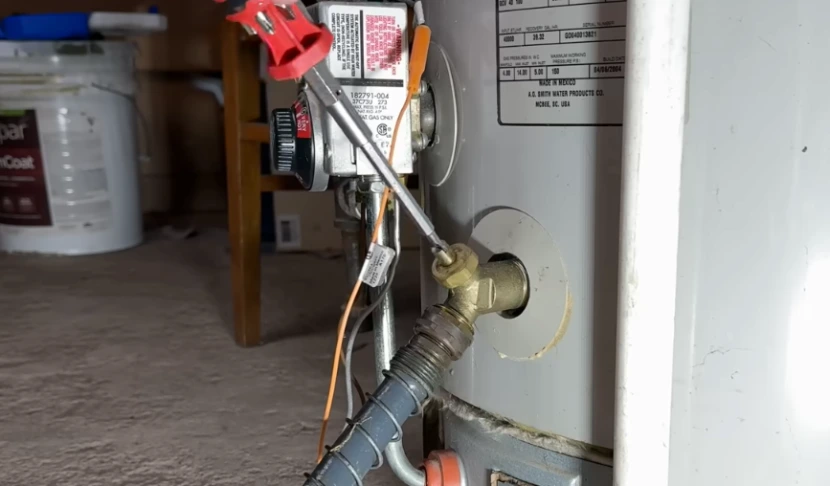
The thermocouple is a small temperature sensor that sits in the pilot flame. It generates a tiny electrical current that holds the gas valve open, allowing fuel to flow to the burner. When the thermocouple wears out — which it will, typically after several years of continuous use — the current drops and the gas valve closes as a safety measure. The result is a pilot that will not stay lit, and therefore no heat to the tank at all. This is one of the most common causes of sudden complete hot water loss in gas-powered units across Philadelphia's aging housing stock, and it's a straightforward component swap that restores full function.
Tripped high-limit switch (electric units)
Electric water heaters have a high-limit safety switch — sometimes called a reset button — that cuts power to the heating elements if the water temperature climbs too high. It's designed to prevent scalding and tank damage. Once tripped, it must be manually reset by pressing a small red button behind the access panel. If the switch trips repeatedly, that's a sign the thermostat is faulty and setting temperatures too high, or the elements themselves are failing. A one-time trip can often be reset; recurring trips need a technician.
Failed pressure relief valve
Every water heater has a temperature and pressure relief (T&P) valve — typically on the upper side of the tank with a discharge pipe running to the floor or drain. This valve is a critical safety device: it opens automatically if tank pressure or temperature exceeds safe levels. When a T&P valve starts discharging water consistently without having been manually tested, it can mean one of two things: the valve itself has reached the end of its service life and is opening unnecessarily, or tank pressure is genuinely elevated — which is the more serious scenario. A technician can determine which is the case and either replace the valve or investigate the pressure source.
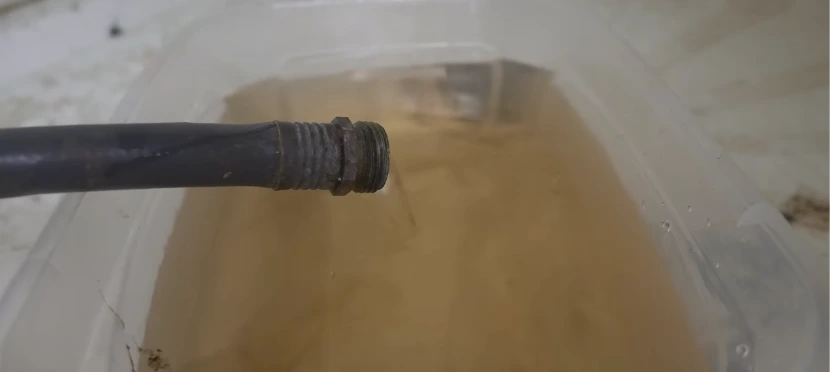
Sudden tank leak from internal corrosion
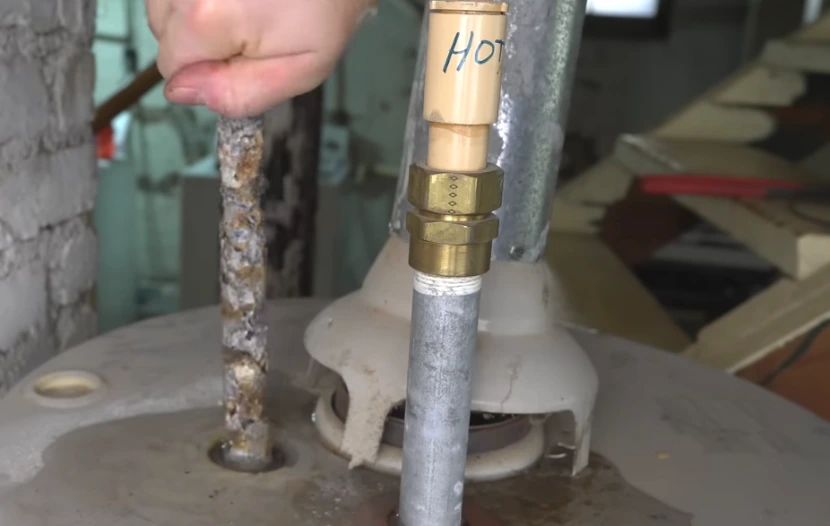
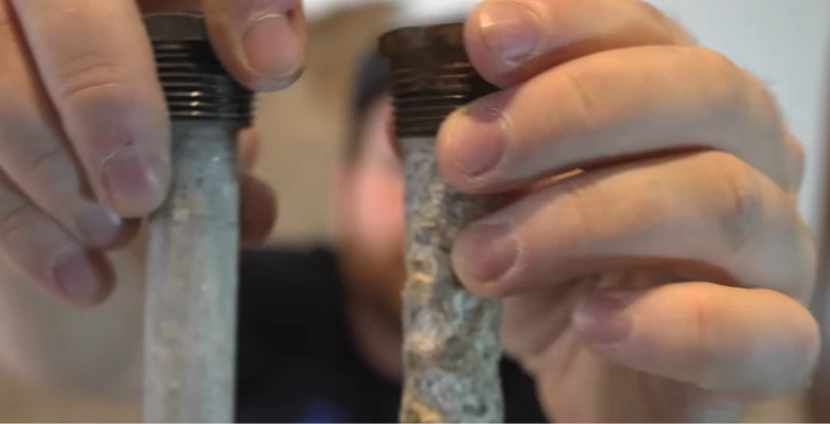
Steel tank water heaters are protected internally by a glass lining and the sacrificial anode rod. When the anode rod depletes and isn't replaced, the tank walls begin corroding. In many Philadelphia homes — particularly those with water heaters that haven't had routine annual maintenance — internal corrosion progresses quietly until the tank develops a pinhole leak or a seam failure. This typically shows as moisture or rust streaks on the tank exterior before becoming a visible puddle. A leaking tank cannot be repaired; it requires replacement.
What to do right now — before the technician arrives
There are a few safe steps you can take immediately that may temporarily stabilize the situation and will make the technician's visit more efficient. These are limited to steps that don't require you to touch gas connections or open components under pressure.
Do not operate any switches, appliances, or light fixtures. Leave the building immediately through the nearest door. Call Philadelphia Gas Works (PGW) at 215-235-1212 from outside or from a neighbor's home. Do not return until PGW clears the building. Only then call us at (267) 960-9699.
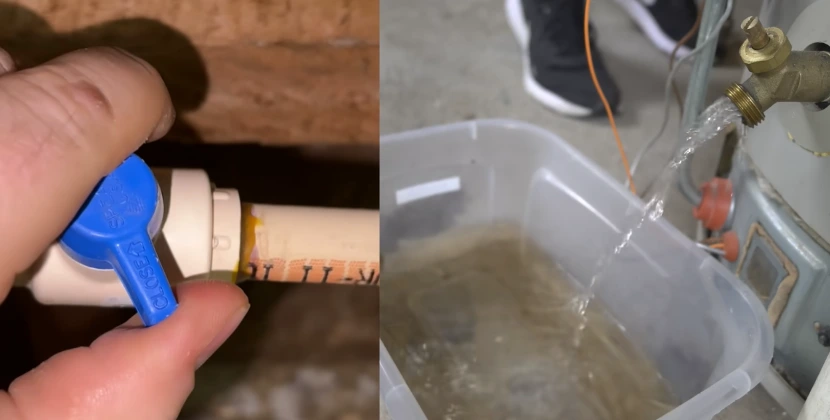
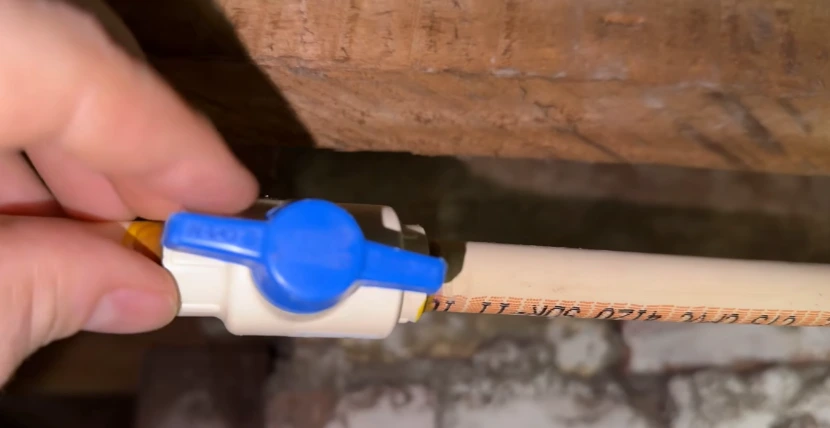
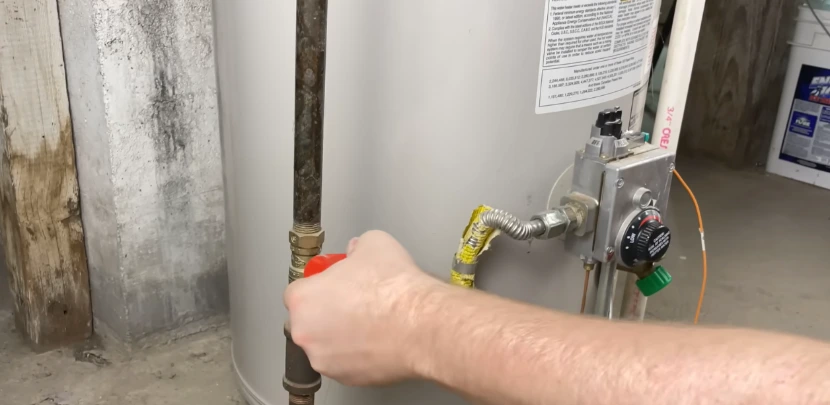
Locate the cold water inlet valve on the pipe above or behind the unit. Turn it clockwise until it stops. This stops fresh water entering the tank and limits additional flooding if the tank is leaking. This valve is almost always accessible without moving the heater.
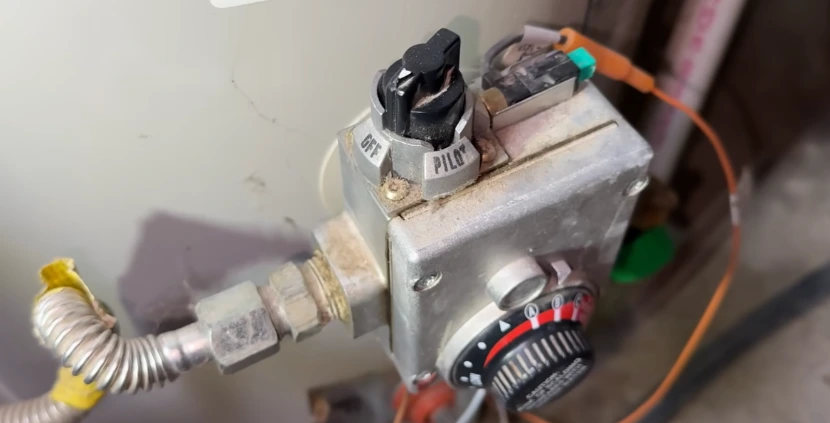
For electric units: go to your circuit breaker panel and turn off the breaker labeled "water heater" (typically a double 30-amp breaker). For gas units: turn the thermostat dial — usually on the front of the unit — to the "Pilot" setting. This stops the burner from firing without extinguishing any existing pilot.
If there's water on the floor around the unit, place towels to slow spread and protect any adjacent flooring. Do not use a wet/dry vacuum near the unit if the electrical panel is in the same space and is potentially wet. If water has reached the base of a gas appliance or electrical panel, keep people out of the area.
If your electric water heater stopped working suddenly and you don't see any obvious leak, check the breaker first. A tripped water heater breaker will be in a middle position — neither fully on nor off. Reset it once. If it trips again immediately or within a short time, leave it off and call for service; a repeat trip indicates a wiring or element fault that needs diagnosis.
While you wait, find the sticker label on the side of the tank — it shows the model number, serial number, capacity, and BTU or wattage rating. The serial number usually encodes the manufacture year. Having this ready significantly speeds up the diagnostic call and helps the technician determine if parts need to be sourced in advance.
On electric water heaters, there's a small red reset button on the upper thermostat, accessible behind the top access panel (the one held by two screws). With the power off at the breaker, remove the panel, push the reset button firmly until you feel a click, replace the panel, and restore power. Wait 45–60 minutes and test the hot water. If it works, monitor for recurrence. If the button won't stay in or heat doesn't return, call for service.
What happens when the technician arrives
For emergency calls, the diagnostic process is the same as a routine visit but prioritized toward safety confirmation first. Here is the typical sequence for a Philadelphia emergency repair call:
Safety check first. Before opening any panels or testing components, the technician confirms there's no active gas leak, checks for moisture near electrical connections, and verifies the T&P valve discharge pipe is clear and correctly terminated. On gas units, they may use a detector to confirm no gas is present before proceeding.
Identify the primary failure. The technician will run through the most likely causes for your specific symptom — no heat, leak, pressure issue — systematically. For a gas unit with no hot water, they'll check the pilot, thermocouple, and gas valve operation in sequence. For electric units, they'll test each element for continuity and check both thermostats. For leaks, they'll locate the exact source: inlet/outlet connections, pressure relief valve, drain valve, or tank body itself.
Repair or replace decision. Once the failure is identified, the technician gives you a clear assessment: what failed, whether it can be repaired, and if so what the repair involves. If the tank is leaking from the body — indicating internal failure — they'll recommend replacement and explain the process. If it's a repairable component, they'll proceed with the fix on the same visit whenever parts are available on the truck.
Post-repair verification. After any repair, the technician tests the full heating cycle, confirms water temperature at the tap, checks all connections for leaks, and verifies the T&P valve is correctly seated. You receive a verbal or written summary of what was done and what was found. If replacement is needed and cannot happen same-day, they'll explain the interim steps to keep the household safe until the new unit arrives.
Cost factors for emergency water heater repair
Emergency service involves variables that don't apply to a scheduled appointment. Here's what typically affects the total cost of an urgent repair call in Philadelphia:
| Factor | Notes |
|---|---|
| Time of call | Evening, weekend, and holiday calls typically carry a higher service rate than weekday daytime appointments. If your situation can safely wait until morning, that may reduce the total cost. |
| Nature of failure | Component replacement (thermocouple, heating element, T&P valve) is the least expensive emergency outcome. Tank replacement is significantly more, as it includes removal, disposal, and new unit installation. |
| Parts availability | Common components for standard brands (Rheem, A.O. Smith, Bradford White) are typically on the technician's truck. Less common brands or discontinued models may require a parts run, adding time. |
| Access conditions | Philadelphia row home basements vary significantly. Tight stairways, low ceilings, and confined utility closets increase labor time on replacement jobs. |
| Secondary damage | If a leak has reached flooring, drywall, or adjacent appliances, remediation costs beyond the water heater repair may apply separately. |
When to treat this as a utility emergency, not just a repair call
There is a meaningful distinction between a water heater that needs repair service and a utility emergency that must be handled before any repair work can begin. The clearest examples involve gas. If you smell natural gas near your water heater, the gas supply must be addressed by Philadelphia Gas Works (PGW) before a technician can work on the unit. PGW operates a 24-hour emergency line at 215-235-1212. Their service is free and takes priority over everything else in this scenario.
Similarly, if water from a leaking water heater has reached or is approaching your home's main electrical panel, circuit breakers, or wiring, call an electrician or cut power to the affected area at the main breaker before having anyone work near the unit. Water and live electrical equipment in a basement utility area is a serious combination. Getting the water heater repaired is secondary to making the space safe.
For everything else — no hot water, a dripping PRV valve, rust in the hot water, a unit that won't stay lit — these are repair service calls. Urgent, but not utility emergencies. Call us at (267) 960-9699 and we'll match you with the right technician for your neighborhood as quickly as possible. For related services, see our pages on water heater replacement and annual maintenance to understand what happens next depending on what the technician finds.
Emergency repair — frequently asked questions
What counts as a water heater emergency?
No hot water with young children or elderly residents in the home, any active leak near electrical panels or gas lines, a gas odor near the unit, a T&P valve discharging repeatedly, or the unit making loud sudden banging sounds all warrant immediate same-day service rather than a scheduled appointment.
Should I turn off my water heater if it's leaking?
Yes. Turn the cold water supply valve off first — the valve on the pipe above or behind the unit. For gas heaters, move the thermostat dial to Pilot mode. For electric, switch off the circuit breaker. Then call for service. Do not leave a leaking tank running.
What if I smell gas near my water heater?
Leave the building immediately. Do not operate any light switches or electrical devices. Call Philadelphia Gas Works (PGW) from outside at 215-235-1212. Only call for water heater service after PGW has cleared the building and confirmed the gas supply is safe.
Can an emergency repair be done same day in Philadelphia?
Yes. For urgent calls — no hot water, active leaks, or gas-related issues — same-day service is typically available across Philadelphia including Fishtown, South Philly, Northeast Philadelphia, Kensington, and Northern Liberties. Call (267) 960-9699 and describe the situation; urgent requests are prioritized.
What are the most common causes of sudden hot water loss?
For gas water heaters, the most common cause of sudden complete loss is a failed thermocouple or an extinguished pilot light, followed by a faulty gas valve. For electric units, a tripped high-limit switch or failed lower heating element is most common. In both cases these are repairable — the unit does not necessarily need to be replaced. See our full guide to water heater repair in Philadelphia for more detail on diagnosis.
Depending on what the technician finds, you may also need:
- Water Heater Replacement — if the tank is failing internally or is past its viable repair lifespan
- Tankless Water Heater Repair — if your on-demand unit has stopped producing hot water
- Water Heater Maintenance — to prevent the next emergency with an annual service visit