Why annual maintenance matters more in Philadelphia than you might expect
Most homeowners treat their water heater the way they treat their roof: something to think about when there's a problem. For a good portion of the country that approach carries modest risk — the unit runs for 12–15 years, develops a slow decline, and eventually fails on a predictable timeline. Philadelphia's specific water conditions and housing stock make that passive approach significantly more costly.
Philadelphia draws its municipal water from the Delaware and Schuylkill Rivers. After treatment, the water that arrives at your tap carries a mineral content — primarily calcium carbonate and magnesium compounds — that qualifies as moderately hard across much of the city. Every time that water is heated inside your water heater, a portion of those dissolved minerals precipitate out of solution and settle as scale or sediment. It happens slowly enough to be invisible day to day, but over two or three years without maintenance the accumulation is measurable and consequential.
In a tank-style heater, sediment settles at the bottom of the vessel, forming an insulating layer between the gas burner (or electric heating element) and the water above it. The unit must work harder and run longer to bring the water to temperature. Operating costs climb, the heating element or burner cycles more frequently under thermal stress, and the steel floor of the tank is in prolonged direct contact with heat it was never designed to sustain long-term. The rumbling or popping sounds that many Philadelphia homeowners attribute to "just how the heater sounds" are the noise of water heating beneath that sediment layer — an audible sign the unit is already working in degraded conditions.
Philadelphia's housing stock adds a second dimension. The city's density of pre-war row homes in neighborhoods like Fishtown, Kensington, and South Philly means a large number of units installed in tight basement utility areas with limited ventilation and airflow around the heater body. These conditions are not particularly hard on a water heater, but they do mean that early signs of exterior corrosion or moisture accumulation — things a maintenance visit would catch — are easy to miss until they've progressed significantly. Scheduling annual service is partly about what the technician does to the unit and partly about having an experienced eye on it once a year.
What a professional maintenance visit includes
A proper annual maintenance visit is not just a sediment flush. Here is what a thorough service call for a conventional tank water heater in Philadelphia covers:
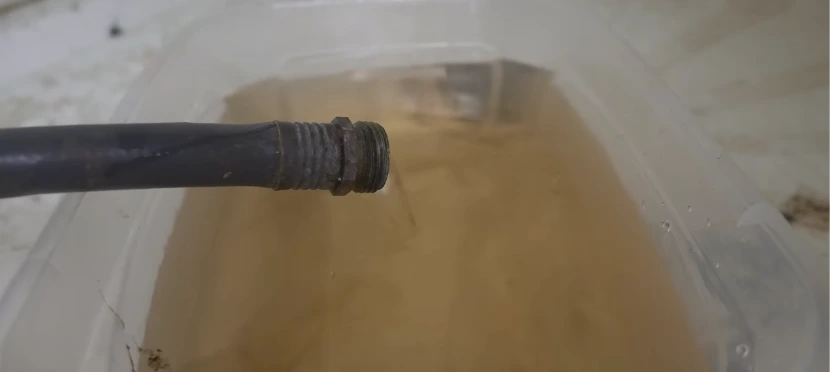
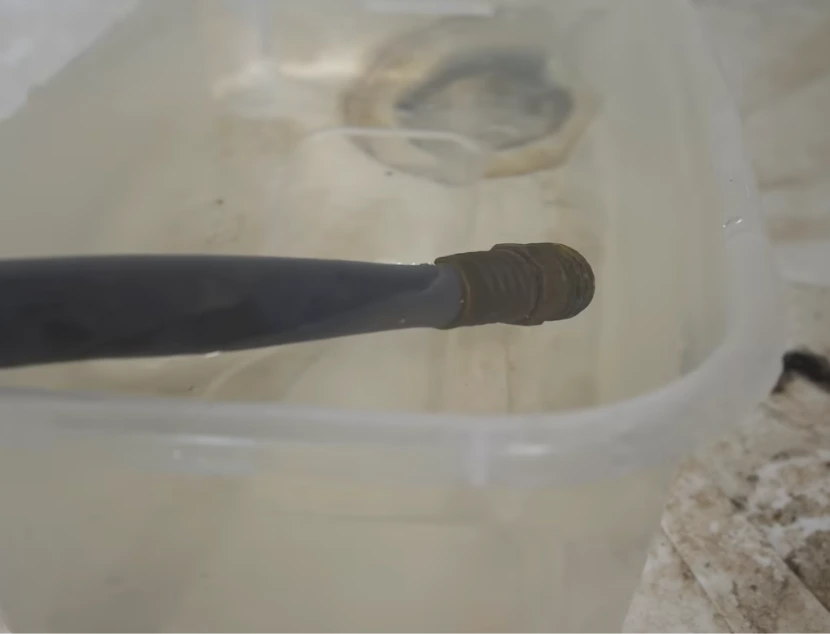
A hose is attached to the drain valve and water is flushed until it runs clear. In units with significant sediment, this may take several cycles. The drain valve itself is inspected for corrosion and replaced if necessary — a valve that seizes during flushing on an older unit is a common complication that a maintenance visit catches proactively.
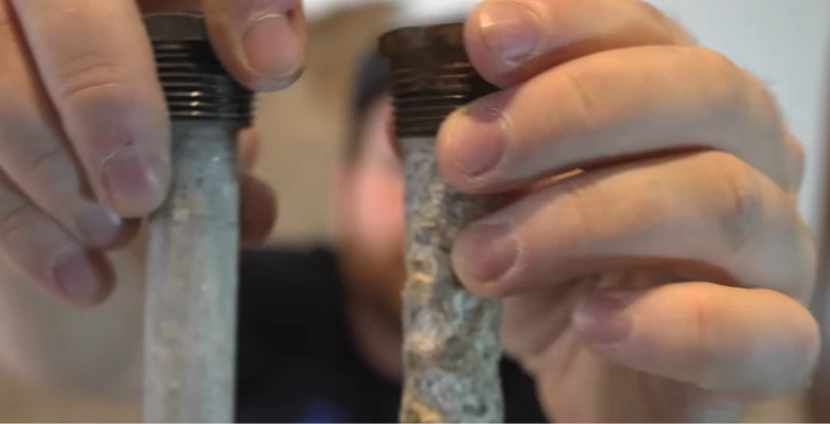
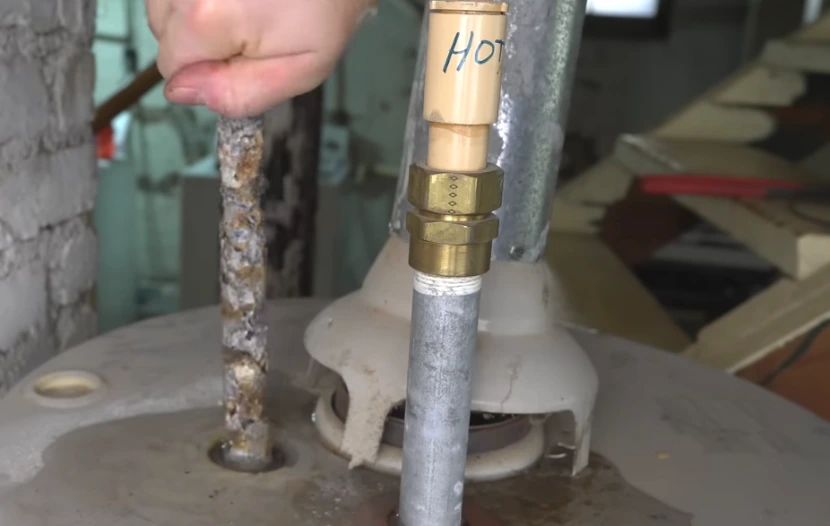
The anode rod — typically a magnesium or aluminum core on a steel wire — is unscrewed from the top of the tank and inspected. A rod that has degraded past roughly 50% of its original diameter should be replaced. This single component is the primary reason tanks either last 15 years or fail at 8: when it depletes unnoticed, the tank itself corrodes from the inside out. On Philadelphia's moderately hard water, anode rods deplete faster than in softer-water markets, making annual inspection particularly important here.
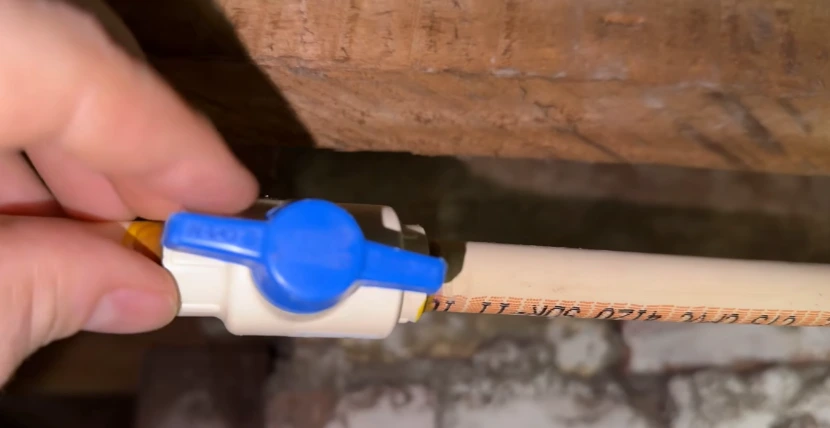
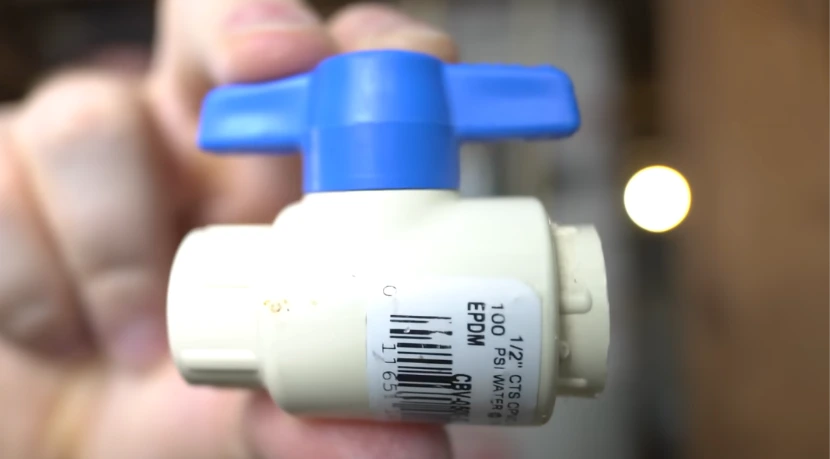
The T&P valve is lifted briefly to confirm it opens freely and reseats without dripping. A valve that won't open is a safety concern — this device is the primary protection against over-pressure conditions. A valve that opens but drips continuously afterward has reached the end of its service life and should be replaced. Most T&P valves should be tested annually; many go years without anyone checking them.
The technician verifies the water temperature at the tap against the thermostat setting. The recommended setpoint is 120°F — hot enough to prevent Legionella growth, cool enough to prevent scalding. Thermostats drift over time; a unit set to 120°F may be delivering 108°F or 135°F after several years without verification. Recalibration is a simple adjustment once the true temperature is confirmed.
All water inlet and outlet connections are checked for drips, mineral buildup at joints, and corrosion at fittings. For gas units, flex connectors and the shut-off valve are inspected for deterioration — corrugated stainless steel (CSST) gas lines in particular should be checked for signs of corrosion at fittings. Dielectric unions, where present, are checked for bypass corrosion.
The technician checks the tank exterior for rust streaks (indicating a developing corrosion point), moisture around seams or the base (indicating an early-stage internal leak), and the condition of the insulation jacket. For gas units, the flue connection and draft hood are inspected for corrosion, proper seating, and absence of blockage.
Based on unit age, serial number date code, observed condition, and the findings from the visit, the technician gives you an honest picture of where the unit stands. If a unit is 11 years old with a healthy anode rod and clean sediment flush, that's a different picture than one at the same age with a depleted rod and heavy scale. This assessment informs your planning for the next one to three years.
Additional steps for tankless unit maintenance
Tankless water heater maintenance follows a different protocol, centered on the heat exchanger. The visit includes descaling — circulating a dilute food-grade acid solution through the heat exchanger via service ports and a small pump to dissolve accumulated mineral deposits — along with cleaning the cold water inlet filter screen, inspecting the venting system at both the unit and exterior terminations, and checking igniter and flame sensor condition. For more on what goes wrong with tankless units specifically, see our tankless water heater repair page.
What maintenance actually prevents — and what it costs to skip it
The economic case for annual maintenance is straightforward but worth making explicitly, because many homeowners skip it without fully understanding the cascade of consequences.
Extended unit lifespan
A well-maintained tank unit in Philadelphia can reach 14–16 years. Without maintenance, the same unit commonly fails at 8–10, largely due to unchecked anode rod depletion and sediment damage to the tank floor.
Emergency prevention
Most water heater emergencies in Philadelphia are maintenance failures — a depleted anode that was never replaced, a T&P valve that was never tested. A single maintenance visit prevents the most common failure modes before they escalate.
Efficiency retention
Sediment insulates the burner from the water, forcing longer run times and higher operating costs. A flushed tank operates closer to its rated efficiency, which translates to lower gas or electric bills every month.
The cost side of skipping maintenance is concrete. A water heater that fails completely — tank rupture, active leak, flooded basement — carries costs well beyond the unit replacement itself. Water damage to finished basement flooring, drywall, and stored belongings adds significantly to the total. Emergency same-day replacement on a weekend in January carries a premium service rate. These are real outcomes for Philadelphia homeowners who deferred maintenance, not hypothetical risks. The alternative is a scheduled annual visit that costs a fraction of any of those scenarios.
What you can do yourself — and where professional service begins
Some maintenance steps are genuinely accessible to a homeowner who is comfortable around plumbing and willing to spend time doing them carefully. Others should be left to a professional — not because of professional gatekeeping, but because they carry real risk if done incorrectly on an older system.
Every 6 months, do a quick visual check: look for moisture on the tank exterior or under the unit, listen for unusual sounds (rumbling, popping, clicking), and check that the area around the unit stays dry. These observations take two minutes and are worth doing — catching a slow developing leak early is the difference between a repair and water damage.
A partial DIY flush — attaching a hose to the drain valve and draining a few gallons — is something a homeowner can do on a unit that has been maintained regularly and has a valve in good condition. The purpose is to disturb and drain off accumulated sediment before it compacts. However, on a unit that hasn't been flushed in several years, the drain valve is often corroded and may not fully close after opening. A partial open valve on a tank that's always under pressure is not a situation a homeowner wants to be managing. Professional service is the right choice for any unit more than two years past its last service.
The anode rod should not be DIY territory for most homeowners. It requires a 1-1/16" socket, considerable torque (these rods are often on extremely tight after years in service), and the knowledge to evaluate the rod's condition and select the correct replacement material and size for the tank. Magnesium rods are generally preferred for Philadelphia's water but react differently in water softened systems; aluminum rods are an alternative. Selecting and installing the wrong type can reduce protection rather than extend it.
The T&P valve test is a brief lift of the lever — something a homeowner can technically do. The risk is a valve that doesn't reseat properly afterward, leaving a persistent drip. On an old valve this is more likely. Testing is worth doing, but be prepared for the possibility that the valve may need replacement immediately after testing, and have a professional available if it doesn't reseat cleanly.
The most dangerous stage in a water heater's decline is the one before the first visible symptom. Anode rod depletion and sediment accumulation proceed silently. By the time there's a rumbling sound, reduced hot water, or a slight rust tint, the unit is already in late-stage degradation. Annual maintenance is specifically designed to catch the process before it becomes audible or visible.
What to expect from a professional maintenance visit
A typical annual maintenance visit for a standard tank water heater in a Philadelphia home takes between 60 and 90 minutes when no parts need to be replaced. If the anode rod requires replacement or a drain valve is corroded and needs swapping, add time for those components. Here's the sequence:
The technician begins with a brief walkthrough: confirming the unit's make, model, and age (from the serial number date code), asking about any changes in performance you've noticed, and checking current water temperature at the nearest hot water tap before touching anything. This baseline is useful — a unit that's been delivering 108°F water despite a 120°F thermostat setting tells the technician something before the panel is even opened.
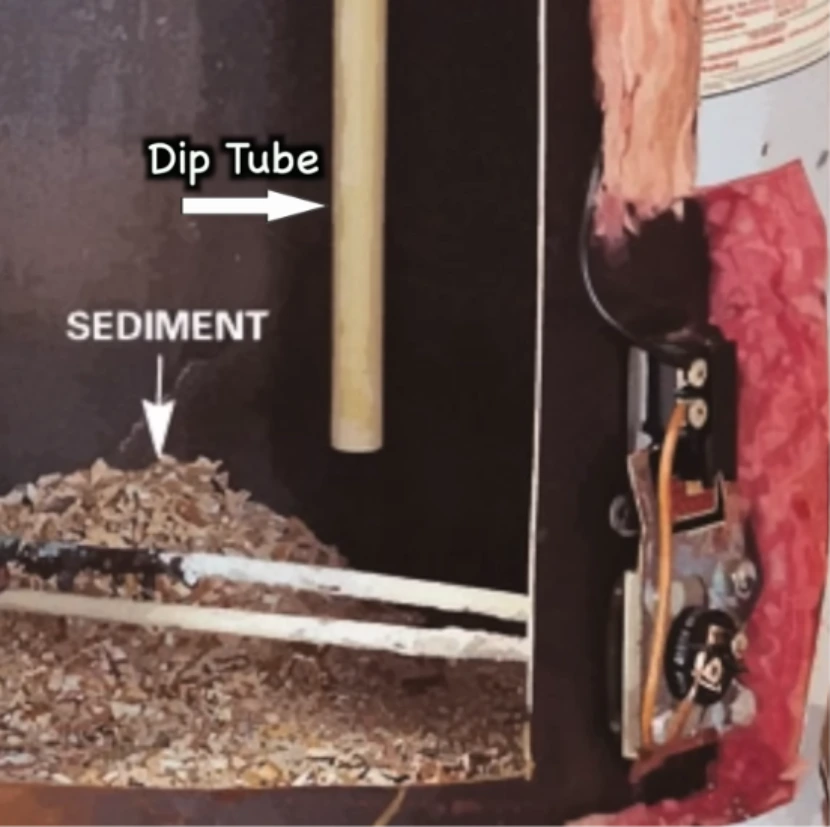
The sediment flush follows. The technician connects a hose to the drain valve and routes it to a floor drain or bucket. Cold water supply is kept on during the flush to stir up sediment and push it out the drain. The drain valve condition is assessed during this step — a valve that drips after closing is flagged for replacement. Flushing continues until the water runs clear, which can take anywhere from a few minutes on a well-maintained unit to considerably longer on one that hasn't been serviced in years.
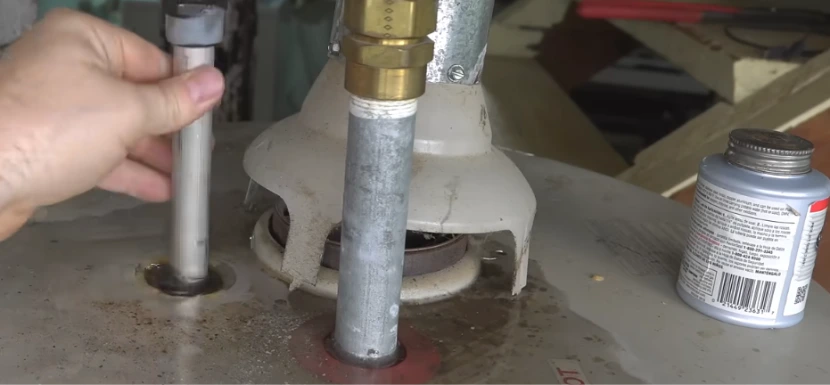
With the tank drained partway, the anode rod is accessed from the top of the unit. A hex socket and breaker bar are typically needed — these rods are installed with thread sealant and can be extremely tight. The extracted rod is measured and assessed: total length, remaining diameter, any areas that have depleted to the wire core. A rod depleted past roughly half its original diameter is replaced on the spot. The new rod is installed with fresh thread sealant and torqued correctly — an under-torqued rod can work loose and will not seal properly.
The T&P valve is tested next, followed by thermostat verification and the connection and exterior inspections described in the maintenance checklist above. The visit closes with a verbal summary of findings: current condition, anything replaced, any developing concerns to watch, and an honest assessment of how many more years of service the unit has in it before replacement becomes the right conversation.
Maintenance frequency — what to do and when
| Task | Frequency | DIY or Pro | Why It Matters |
|---|---|---|---|
| Sediment flush | Annually | Pro recommended | Removes insulating layer that forces burner to overwork; protects tank floor |
| Anode rod inspection | Annually | Pro only | Primary corrosion protection; depleted rods allow tank wall corrosion to begin |
| T&P valve test | Annually | Pro recommended | Safety device must open and reseat correctly; failure to test means unknown condition |
| Thermostat verification | Annually | Pro | Thermostats drift; incorrect temperature affects both safety and efficiency |
| Exterior visual check | Every 6 months | Homeowner | Catches moisture, rust streaks, or connection drips while they're still early-stage |
| Tankless descaling | Annually | Pro | Philadelphia water causes heat exchanger scale; annual clearing prevents efficiency loss and overtemperature shutdowns |
| Tankless inlet filter clean | Every 6 months | Homeowner | Blocked filter reduces flow below minimum threshold; unit won't fire |
When to schedule maintenance in Philadelphia
Early fall — September or October — is the best window for Philadelphia homeowners. The timing catches the unit before winter heating demand peaks, and identifies any developing problems while there's still time to address them without emergency urgency. A water heater that's entering winter with a depleted anode rod and two inches of sediment has meaningfully higher odds of a January failure than one that just received a service visit.
Spring is the second-best option — after the heavy winter demand period and before summer usage increases with vacation schedules and more frequent showers. Both windows offer better technician availability than the January–February peak, when emergency calls dominate the schedule and routine service appointments are harder to fit in.
If your unit has never been serviced — or if you're not sure when it was last looked at — there's no waiting for an optimal window. Schedule service now, regardless of season. The anode rod condition, in particular, doesn't improve with time: if it's been three or four years since the last service, the rod may be approaching depletion, and another six months of waiting could mean the difference between a timely replacement and the tank corrosion that follows a fully depleted rod.
For landlords managing multiple properties in Philadelphia neighborhoods like Kensington or Northeast Philadelphia, staggering maintenance visits across the portfolio in late summer avoids the cost and disruption concentration of multiple units needing attention simultaneously. A technician familiar with multi-property service can often sequence visits across a portfolio efficiently. Learn more about our overall water heater repair in Philadelphia approach to see how maintenance fits alongside repair and replacement services.
Water heater maintenance — frequently asked questions
How often should a water heater be serviced in Philadelphia?
Annual service is the standard recommendation for both tank and tankless units in Philadelphia. The city's moderately hard municipal water accelerates sediment buildup in tank units and scale in tankless heat exchangers. Skipping annual service allows these deposits to compound year over year, measurably reducing efficiency and shortening the unit's usable lifespan.
What does a water heater maintenance visit include?
A standard annual visit for a tank water heater covers: sediment flush, anode rod inspection and replacement if depleted, T&P valve test, thermostat calibration, inspection of all water and gas connections, and a visual assessment of the tank exterior. Tankless maintenance adds heat exchanger descaling, inlet filter cleaning, and venting inspection. See the full checklist above for detail on each step.
Can I flush my own water heater?
A partial flush is something homeowners can do on a well-maintained unit with a valve in good condition. On units that haven't been serviced in two or more years, the drain valve is often corroded and may not close fully after opening — a more significant problem than the sediment it was meant to address. Professional service is the safer path for any unit past its two-year mark without maintenance, and a professional visit includes anode rod and T&P valve checks that a DIY flush doesn't cover.
How does annual maintenance extend a water heater's life?
Two mechanisms account for most of the benefit. Anode rod replacement maintains the protective barrier against tank wall corrosion — without it, the steel tank corrodes from the inside once the rod depletes. Sediment removal reduces the insulating layer that forces the burner or element to run hotter and longer than the tank was designed for. Together, these two steps are responsible for the difference between a unit that reaches 15 years and one that fails at 9.
When is the best time to schedule water heater maintenance in Philadelphia?
Early fall — September or October — is ideal. This catches the unit before winter heating demand peaks, identifies developing problems while there's still time to address them without emergency urgency, and offers better technician availability than the January–February peak period. Spring is the second-best window. If the unit hasn't been serviced in two or more years, schedule immediately regardless of season.
Does maintenance make sense on an older water heater?
For units under 12 years old with no significant internal corrosion, annual maintenance continues to extend life and prevent failures. For units 14+ years old showing meaningful wear, the better investment is planning a replacement rather than putting maintenance dollars into a unit near the end of its lifespan. A technician gives you an honest assessment during the service visit — you won't be pushed toward unnecessary maintenance on a unit that's genuinely past its prime.
Maintenance is step one — here's what comes next if needed:
- Emergency Repair — if the unit has already failed and needs same-day attention
- Water Heater Replacement — when the maintenance visit reveals the unit is past viable service life
- Tankless Repair — if descaling reveals an underlying component fault in an on-demand unit